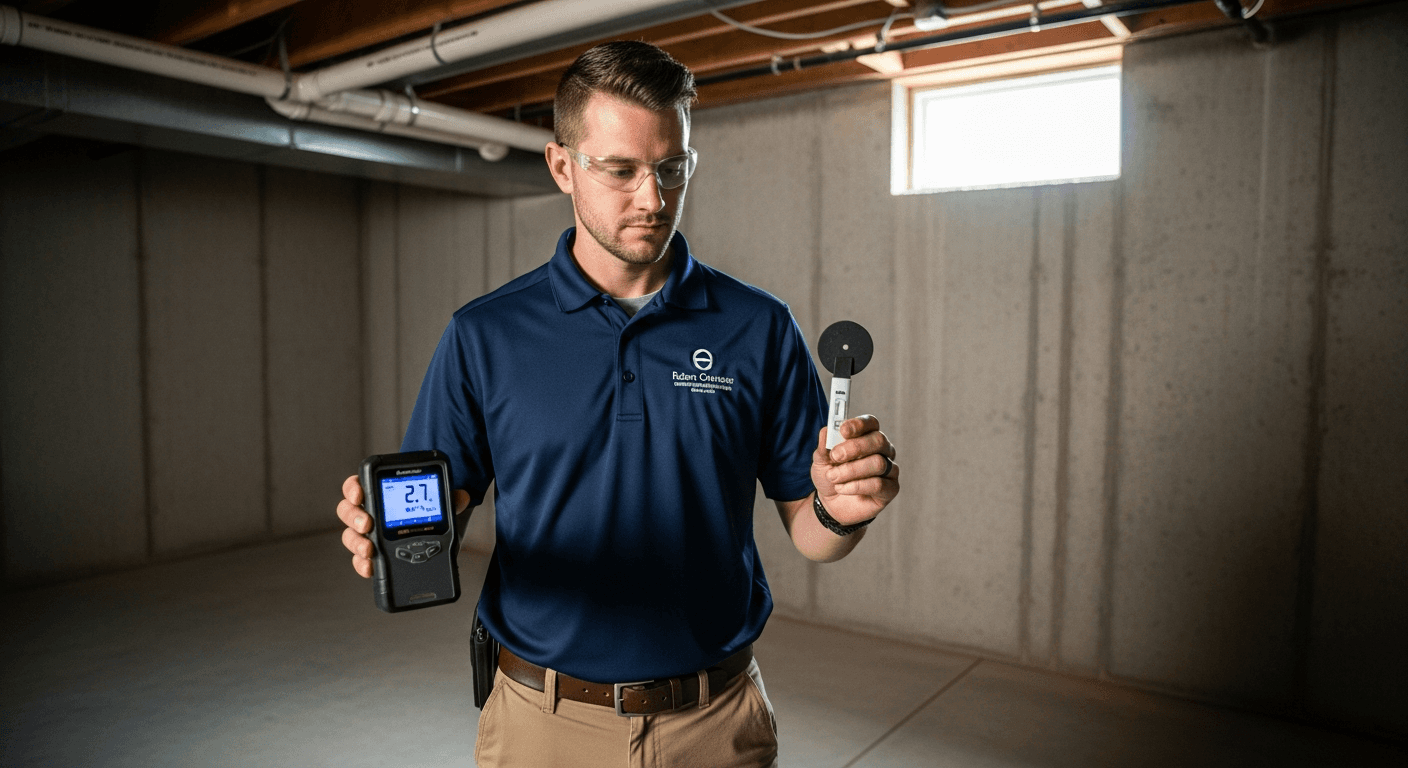
Find Certified Radon Testers Near You
Radon testing, inspection, and mitigation professionals near you — NRPP-certified providers for home testing, real estate transactions, and commercial buildings.
Or browse all states3,791+
Listed Providers
49
States Covered
8+
Services Available
Why us
Why Find Radon Testers?
We built the most trustworthy radon professional directory in the country.
NRPP-Certified Listings
Every provider we list is sourced from official NRPP and state certification databases — not self-reported claims.
Real Google Ratings
We surface real Google ratings and reviews so you can see what past customers actually experienced.
Free & Direct Contact
No lead forms, no middlemen. Get the phone number and website of every provider — completely free.
How it works
Find a Radon Professional in 3 Steps
Search your area
Enter your city and state to find nearby certified radon professionals.
Review certified pros
Compare providers, see their services and credentials side by side.
Contact directly
Call or visit their website — no gating, no forms.
Education
What Is Radon Testing?
What is radon and why does it matter?
Radon is a colorless, odorless radioactive gas produced naturally by the decay of uranium in soil, rock, and water. It seeps up through the ground and into buildings through cracks in foundations, walls, and floors. Because you can't see, smell, or taste it, the only way to know if your home has dangerous radon levels is to test.
The EPA estimates radon causes about 21,000 lung cancer deaths each year in the US — making it the second leading cause after cigarette smoking. Even non-smokers are at significant risk with long-term radon exposure.
What does the EPA recommend?
- Test all homes below the third floor, regardless of age or foundation type
- Fix your home if the radon level is 4 pCi/L or higher
- Consider action even at 2–4 pCi/L — there is no safe level of radon
- Retest every two years, or after major renovations
- Test after installing a mitigation system to confirm it is working
How is radon fixed?
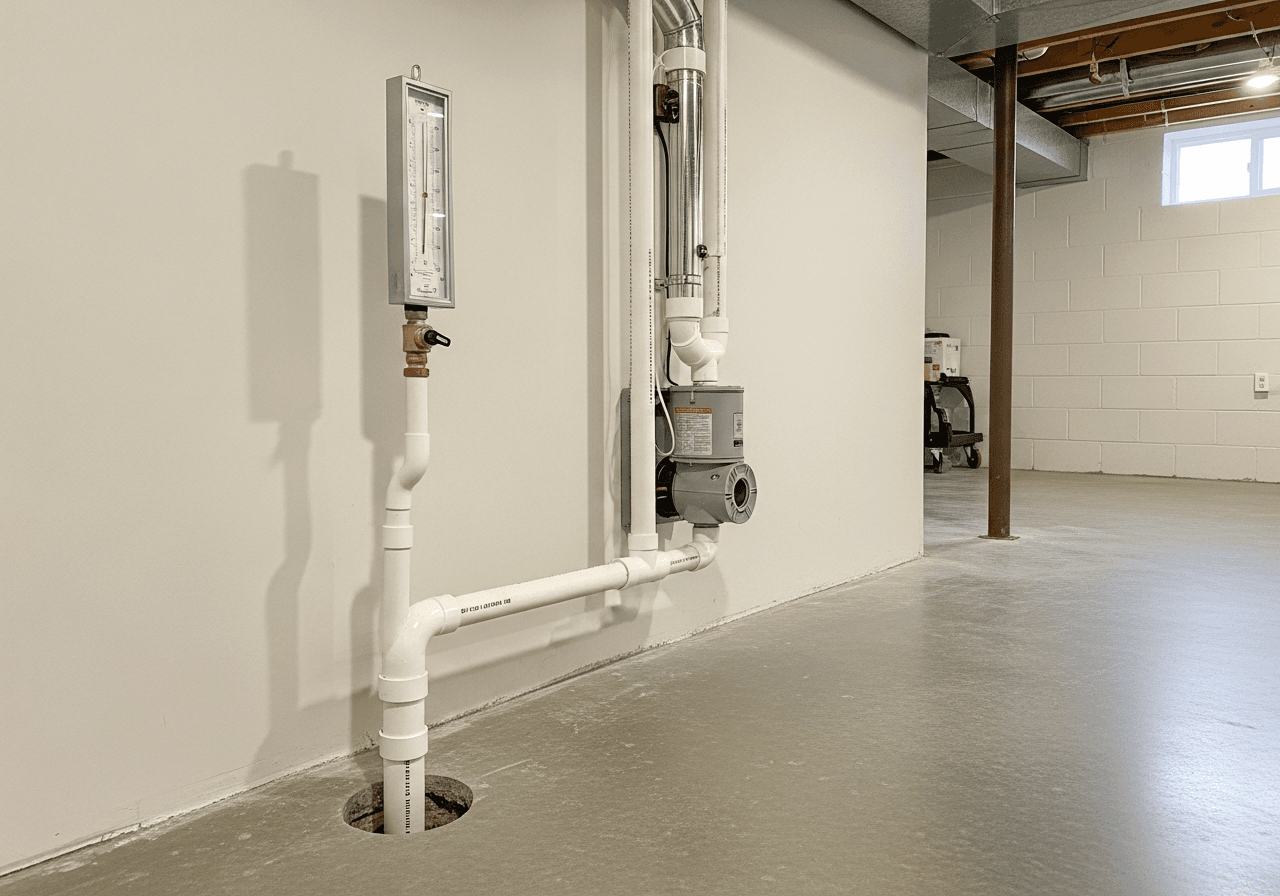
The most common and effective method is sub-slab depressurization — a pipe system installed through the floor that draws radon from beneath the foundation and vents it safely outside. A qualified mitigator can typically reduce radon levels by up to 99%, bringing most homes well below the EPA action level.
Services
Services You'll Find
Providers in our directory offer a wide range of radon services.
Radon Testing
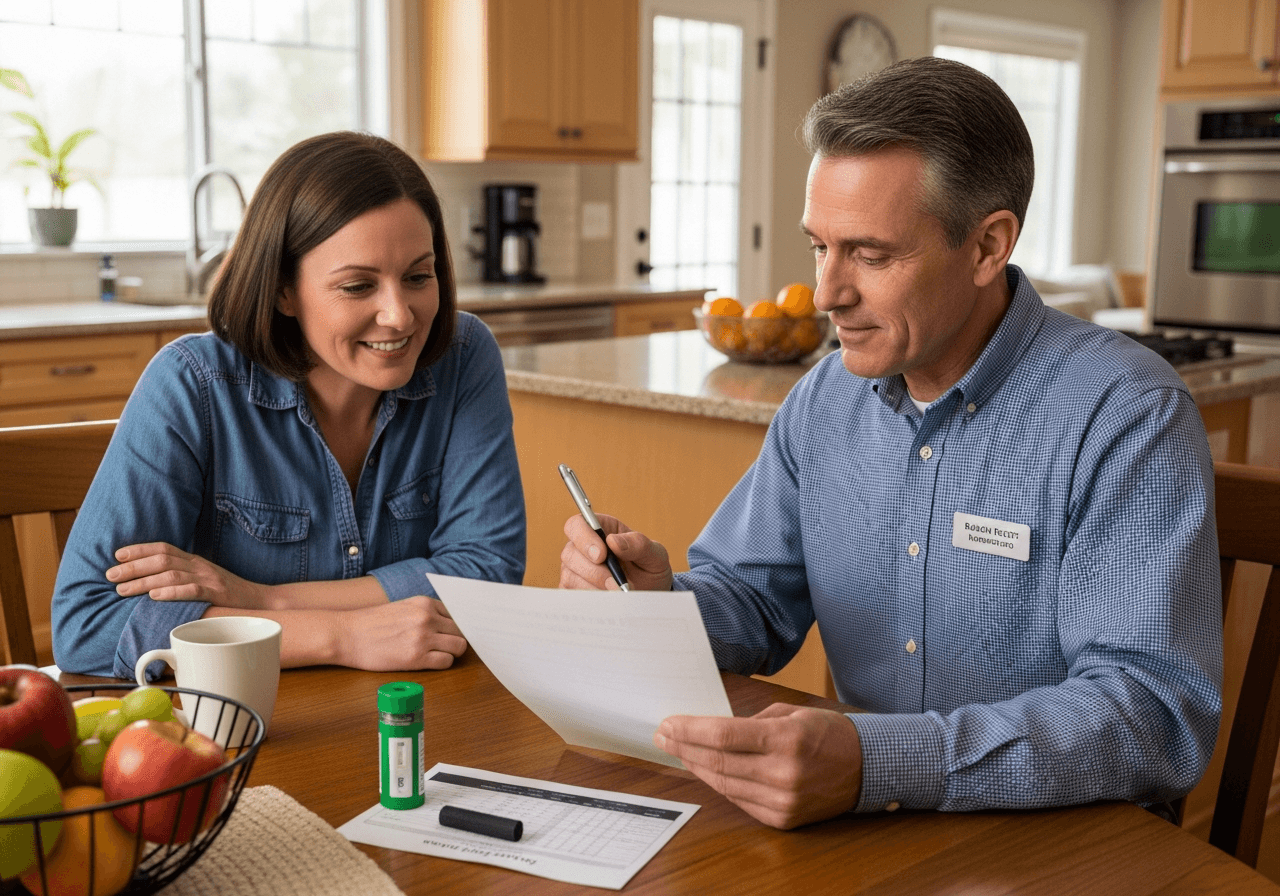
Short-term and long-term radon testing to determine radon levels in your home or building.
Radon Mitigation
Sub-slab depressurization and other systems to reduce radon levels below EPA action level.
Real Estate Testing
Pre-sale and pre-purchase radon testing for real estate transactions.
Commercial Testing
Radon testing for offices, schools, and commercial buildings.
Who uses Find Radon Testers?
Directory
Radon Risk by State
EPA radon zone map — hover a state to see risk level, click to browse providers.
Browse by State
AL
Alabama
22 providers
AK
Alaska
7 providers
AZ
Arizona
16 providers
AR
Arkansas
5 providers
CA
California
42 providers
CO
Colorado
181 providers
CT
Connecticut
25 providers
DE
Delaware
4 providers
FL
Florida
30 providers
GA
Georgia
35 providers
HI
Hawaii
7 providers
ID
Idaho
8 providers
IL
Illinois
23 providers
IN
Indiana
53 providers
IA
Iowa
65 providers
KS
Kansas
8 providers
KY
Kentucky
29 providers
LA
Louisiana
ME
Maine
7 providers
MD
Maryland
25 providers
MA
Massachusetts
18 providers
MI
Michigan
21 providers
MN
Minnesota
13 providers
MS
Mississippi
1 providers
MO
Missouri
17 providers
MT
Montana
9 providers
NE
Nebraska
4 providers
NV
Nevada
8 providers
NH
New Hampshire
9 providers
NJ
New Jersey
10 providers
NM
New Mexico
6 providers
NY
New York
25 providers
NC
North Carolina
28 providers
ND
North Dakota
5 providers
OH
Ohio
16 providers
OK
Oklahoma
5 providers
OR
Oregon
9 providers
PA
Pennsylvania
109 providers
RI
Rhode Island
4 providers
SC
South Carolina
1 providers
SD
South Dakota
2 providers
TN
Tennessee
9 providers
TX
Texas
9 providers
UT
Utah
4 providers
VT
Vermont
3 providers
VA
Virginia
43 providers
WA
Washington
5 providers
DC
Washington D.C.
WV
West Virginia
3 providers
WI
Wisconsin
11 providers
WY
Wyoming
1 providers
Testimonials
What Homeowners Are Saying
“I had no idea our basement radon levels were nearly 8 pCi/L until I found a tester through this site. The mitigation system brought it down to 0.9 — I feel so much better knowing my family is safe.”
Jennifer M.
Columbus, OH
“As a real estate agent, I recommend Find Radon Testers to all my buyers. It's the fastest way to find a certified NRPP tester in any market I'm working in.”
David R.
Denver, CO
“Easy to use, showed me three certified professionals within 10 miles. Called the first one and had testing scheduled the same week. No runaround.”
Patricia L.
Pittsburgh, PA
Common questions
Radon FAQ
What is radon?
Radon is a naturally occurring radioactive gas that forms from the decay of uranium in soil and rock. It is colorless, odorless, and tasteless — making it undetectable without testing. It seeps up through the ground and can accumulate to dangerous levels inside homes and buildings.
Why should I test for radon?
Radon is the second leading cause of lung cancer in the United States, responsible for about 21,000 deaths per year according to the EPA. Any home can have a radon problem. The only way to know your radon level is to test, and the EPA recommends testing all homes below the third floor.
What is a safe radon level?
The EPA recommends taking action to reduce radon if your home level is 4 pCi/L (picocuries per liter) or higher. The average indoor radon level is about 1.3 pCi/L. Even levels between 2–4 pCi/L present some risk, and mitigation should be considered.
How often should I test for radon?
Test when you move into a new home, after any major renovation, or every two years as a general rule. If you have a mitigation system installed, test every two years to ensure it is working. The EPA also recommends retesting if you have made renovations or spend more time in lower levels of your home.
What is the difference between a radon tester and a mitigator?
A radon tester measures your home's radon levels using specialized equipment and certified protocols. A radon mitigator installs systems (such as sub-slab depressurization) to reduce elevated radon levels. Some companies offer both services. NRPP and AARST credentials indicate certified professionals.
How do I choose a radon professional?
Look for providers certified by NRPP (National Radon Proficiency Program) or AARST-NRPP. Check that they follow EPA and state guidelines. Ask whether they use third-party lab analysis, provide written reports, and whether they warranty their mitigation systems. Our directory lists providers by location to help you find someone nearby.
Are You a Radon Testing or Mitigation Professional?
Get found by homeowners, real estate agents, and property managers searching for certified radon professionals in your area. Claim your listing or add your business — it's free.
NRPP-certified and state-licensed professionals welcome. We verify credentials before publishing.
Ready to Find a Radon Professional?
Browse certified radon testing and mitigation pros in your state. Contact them directly — no forms, no gating.
Browse by State